






How to Write a Survey Introduction That Will Increase Completion Rates
You've spent a ton of time preparing your survey, fine-tuning every question. But the responses just aren't coming in? The reason might be simpler than you think. Often, it's not the questions that are to blame, but a missing introduction. This part of a survey acts like an invitation for your respondents. The first few seconds determine whether people will complete your survey or close it without a second thought. Don't waste this opportunity. Check out our tips on how to make a great first impression and convince respondents that your survey is truly worth their time.
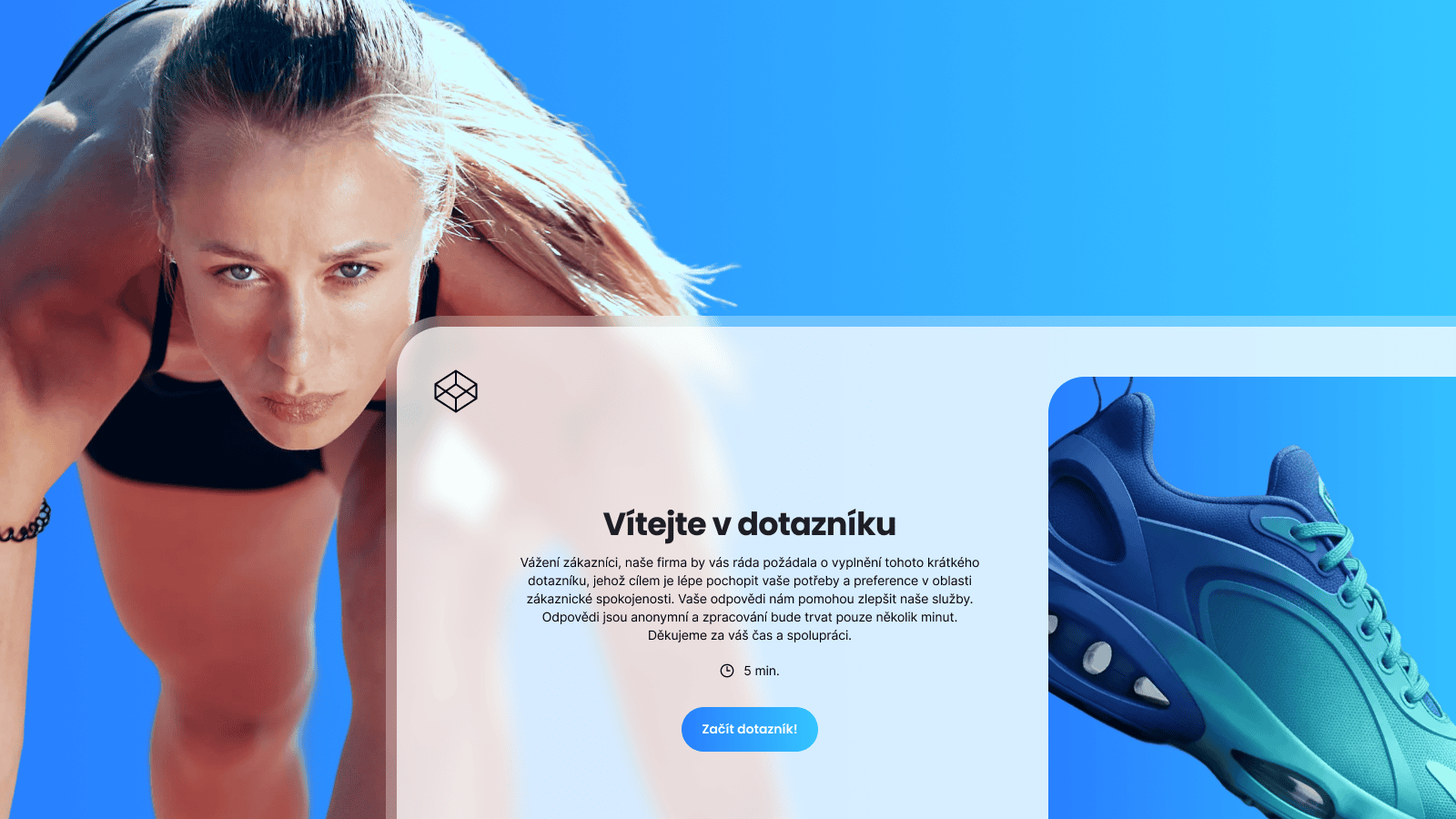
Essential information to include in your introduction
As we mentioned above, first impressions matter and in a survey, it's the introduction that creates them. Can it motivate respondents to answer? Does it clearly explain who you are, what the survey is about, and how long it will take? If this information is missing, people will often leave before they even begin.
Before we dive into how to write a better survey introduction, let's look at some key pieces of information that should never be missing from it.
Let respondents know who you are
Imagine someone on the street walks up to you and starts asking all sorts of questions without introducing themselves or explaining why they're asking. That feels odd, right? The exact same principle applies to surveys.
It's therefore a good idea to introduce yourself. A brief statement of who you are and what your company does is perfectly sufficient. This helps build trust, establish a connection, and reinforce brand awareness. Transparency is often what determines whether people not only open your survey but actually complete it.
Tip: Avoid overly long introductions. The introduction is not a space for a company marketing pitch. If you do that, the survey may come across as biased or lose its neutrality.
Tell people why they should take part
Nobody likes spending their time on something that doesn't make sense. If your introduction doesn't clearly explain why you're asking and what you'll do with the answers, respondents will feel uncertain. Be honest and open with your audience. The clearer your intent, the more willingly people will help you.
Tip: Stick to the "less is more" rule. Long paragraphs in the introduction are off-putting. Aim to be as concise as possible.
Let people know how long it will take
Time is the most valuable thing people can give you. When they decide to fill out your survey, they're doing you a favour. Show them you appreciate it by letting them know upfront how long it will take.
Tip: Avoid overly long surveys with lengthy completion times. Instead, break your questions into several shorter surveys or thematic blocks that respondents can more easily finish.
Build trust by clearly explaining privacy protection
If you can't guarantee anonymity, communicate that openly. Honesty and transparency are the foundation of trust. Customers should know how their data will be used and who may have access to it.
Help respondents quickly understand what to do
Clear expectations increase the likelihood that the survey will not only be opened but also successfully completed. A simple sentence is enough, for example: "Answer a few short questions and click the Submit button at the end." Such a message removes uncertainty and helps ensure respondents don't forget the most important step, which is actually submitting the survey.
Create better introductions with 3 simple tips
Speak your audience's language
Your survey may be online, but remember there's a real person on the other side of the screen. Talk to them the same way you would if you were sitting across from them. Choose a tone that resonates with your target audience. Instead of stating facts, opt for a conversational style. Get straight to the point, use simple words, and be friendly. People appreciate it and they'll respond with much greater enthusiasm, giving you far higher quality answers.
Communicate with humanity and respect
Customers are giving you their time. Address them in a friendly way, thank them, and show them that you value their responses. Simple courtesy significantly increases willingness to provide honest and thoughtful answers.
Be honest
Some people will respond simply because they want to help. But most need to know why they should spend their time on your survey. So be honest. Clearly state why you're collecting data and what you'll do with it. Don't promise major changes if you're not sure that will happen. And if you're using the responses to improve a product, service, or communication, say so openly. Honesty builds trust. And trust is key to people actually completing the survey.
Create a great survey introduction with SentiSnap
In this article, we've shown how important a role the survey introduction plays and how it can influence respondents' willingness to complete it. A well-written introduction helps explain the purpose, set expectations, and motivate respondents to give a few minutes of their time.
When people understand right from the start why their opinion matters and how their responses will be used, the likelihood that they'll not only open the survey but also complete it increases significantly. A short, clear, and friendly introduction can therefore have a major impact on both the quality and quantity of responses you receive.
With SentiSnap, you can create surveys that offer respondents a clear and pleasant start as well as a smooth experience throughout. This helps you increase survey completion rates and gather higher quality feedback, giving you a better understanding of your customers and their needs.

Lucie Smejkalova
Lucie has been helping companies better understand their customers and target audiences for over 5 years. She enjoys analyzing feedback from social media, media, and surveys. In her articles, she shows how to turn data into useful insights and how to make better decisions based on feedback.
